Residential Maintenance • 6 minutes
Why Does My AC Smell Musty When It Starts? A Florida Moisture Checklist
By Scott Camire, Owner | A/C Advantage Inc. •
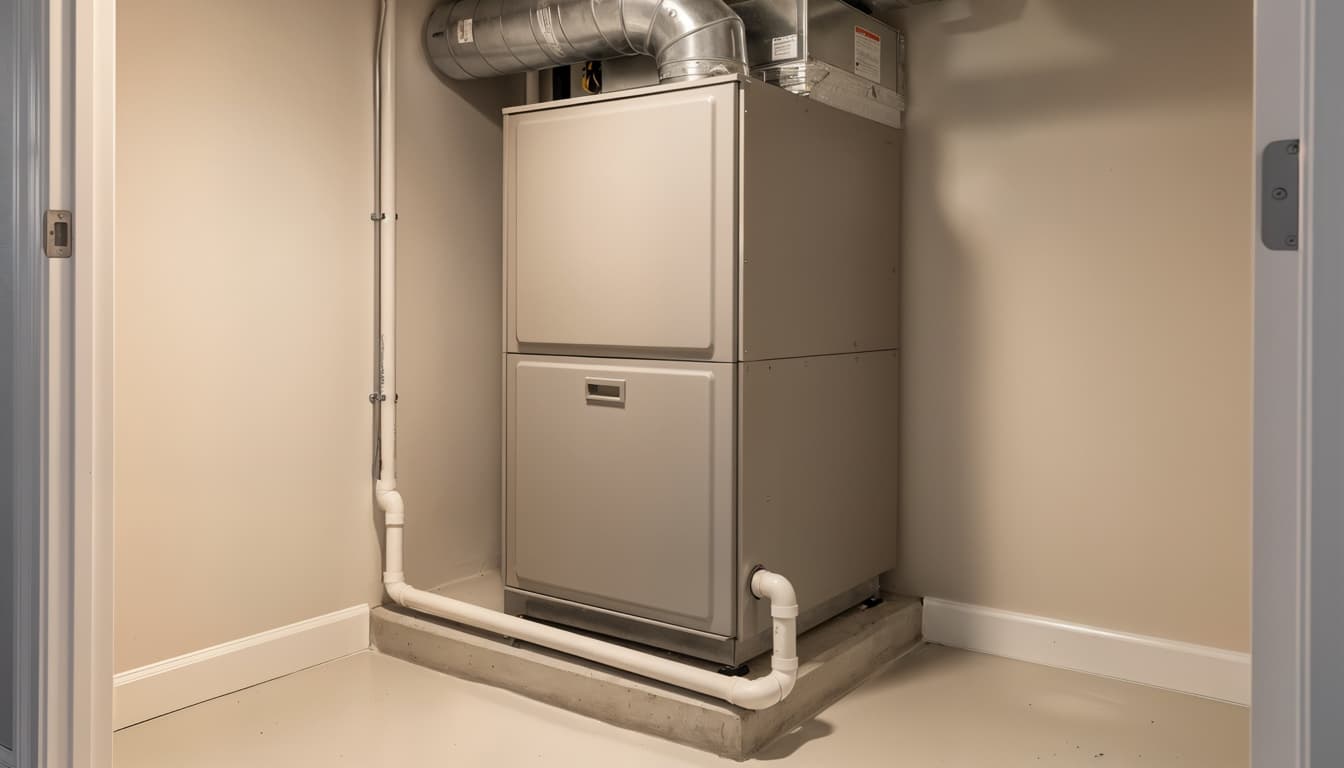
A musty smell when your air conditioner starts is common enough in Florida that it deserves a calm, systematic response. The AC moves large volumes of humid air and removes water through its condensate system. When moisture lingers where it should not, or when dust and organic debris collect on damp surfaces, an odor can travel through the system when the blower starts.
An odor is a symptom, not a diagnosis. It does not identify a specific substance, prove the presence of mold, or tell you whether there is a health issue. Avoid trying to diagnose hidden conditions from the smell alone. The useful first step is to notice the pattern, inspect the safe and accessible areas, and arrange professional service when the odor persists or comes with water, poor cooling, or other equipment symptoms.
Start with the timing and pattern
Pay attention to when you notice the odor. Does it occur only for the first few minutes after the system starts? Does it continue through the cooling cycle? Is it stronger after rain, during humid weather, or after the home has been closed for several days? Does it come from every supply register or seem concentrated near the indoor unit?
Write down what changed around the time you first noticed it. Recent construction, a filter that is overdue, a drain issue, a long vacancy, a power interruption, or water near the air handler are all useful details. A technician can use this information to focus the inspection. “Musty all the time” and “musty for two minutes at startup after a rainy week” may call for different checks.
Also distinguish a musty odor from a burning, electrical, fuel-like, or sharp chemical smell. If you smell burning, see smoke, hear buzzing or crackling, or have a breaker trip, turn the system off and seek professional help promptly. Do not assume every unfamiliar AC smell is a moisture issue.
Check the simple, safe items
With the system off, look at the filter if it is in a normal homeowner-accessible location. A loaded filter can restrict airflow and hold dust. Replace it with the correct type and size according to the equipment instructions. Do not force a filter into a slot or use a denser product without considering the system’s needs. If access requires removing panels, reaching into equipment, or working near wiring, leave it for a technician.
Look around—not inside—the indoor unit for water on the floor, staining on nearby drywall, a wet cabinet exterior, or an overflowing drain pan. Check visible condensate drain piping for an obvious loose connection or water where it should not be. Do not pour chemicals into a drain line, disassemble the line, bypass a float switch, or open the air handler to clean coils or internal components. A recurring drain problem needs the cause corrected, not just a temporary flush.
Walk through the home and look for closed or blocked supply and return vents. Furniture, rugs, and storage boxes can interfere with airflow and allow some areas to stay more humid than others. Keep bathroom exhaust fans and kitchen ventilation in normal working order, but do not create long-term negative pressure or leave exterior doors open in humid weather as a way to “air out” the AC.
Common moisture-related areas a technician may inspect
A qualified HVAC professional can evaluate parts of the system that should not be a homeowner project: the evaporator coil area, drain pan, condensate line and trap, blower compartment, cabinet insulation, duct connections, and operating performance. Depending on the symptoms, they may also look for airflow restrictions, a drain backup, cooling performance concerns, or sources of outside-air infiltration.
The answer is not automatically a spray, fragrance, or device. Covering an odor can delay the real question: why is moisture or debris collecting in that location? Good service begins with observation and diagnosis. The technician should explain what was found, what is accessible to maintain, and what follow-up is appropriate if there are signs of water damage beyond the HVAC system.
If there is visible water damage, persistent dampness, or a concern in walls, ceilings, or flooring, the HVAC repair may be only one part of the response. Your property professional, plumber, or qualified water-damage specialist may need to evaluate the source and affected material. A/C Advantage can address HVAC equipment, but we do not diagnose mold or certify indoor conditions from an odor.
Prevent the next odor cycle
Florida AC systems benefit from regular maintenance because they spend so much time managing both heat and humidity. A maintenance visit can include filter and airflow review, drain inspection, safety-switch checks, accessible coil and cabinet evaluation, and a look at whether the system is operating as expected. If the musty smell returns after a temporary improvement, tell the technician; that recurrence is useful diagnostic information.
Keep the home’s cooling schedule consistent during short trips rather than shutting the system off for an extended period. For a longer vacancy, use a documented humidity and inspection plan. Property managers can find related advice in How Property Managers Can Protect Vacant Units From Florida Humidity.
For a deeper look at drainage, read AC Drain Line Problems in Florida. If the odor is persistent, there is water near the equipment, or the home feels unusually humid, schedule AC Repair rather than guessing at the source.
A musty startup smell is your cue to pay attention, not to panic or self-diagnose. Record the pattern, handle the safe basics, and contact A/C Advantage for an HVAC inspection that gets to the equipment condition behind the symptom.
About the author
Scott Camire, Owner of A/C Advantage Inc.
Scott Camire is the founder of A/C Advantage Inc. in Port St. Lucie, Florida. He began his career in HVAC and commercial refrigeration in 1978 and founded A/C Advantage in 2006, building the company on what he calls “old fashioned service with modern technology.” A/C Advantage is a Florida Certified Mechanical Contractor (License #CMC1249807) with EPA-certified technicians, serving homes and businesses across the Treasure Coast and the Palm Beaches, including Port St. Lucie, Stuart, Palm City, Jensen Beach, Fort Pierce, Vero Beach, Sebastian, and Tradition.
Need help with your system?
Call A/C Advantage at (772) 336-7366. A live person answers 24 hours a day, 365 days a year. Or schedule service online.