Property Management • 6 minutes
How Property Managers Can Protect Vacant Units From Florida Humidity and Water Damage
By Scott Camire, Owner | A/C Advantage Inc. •
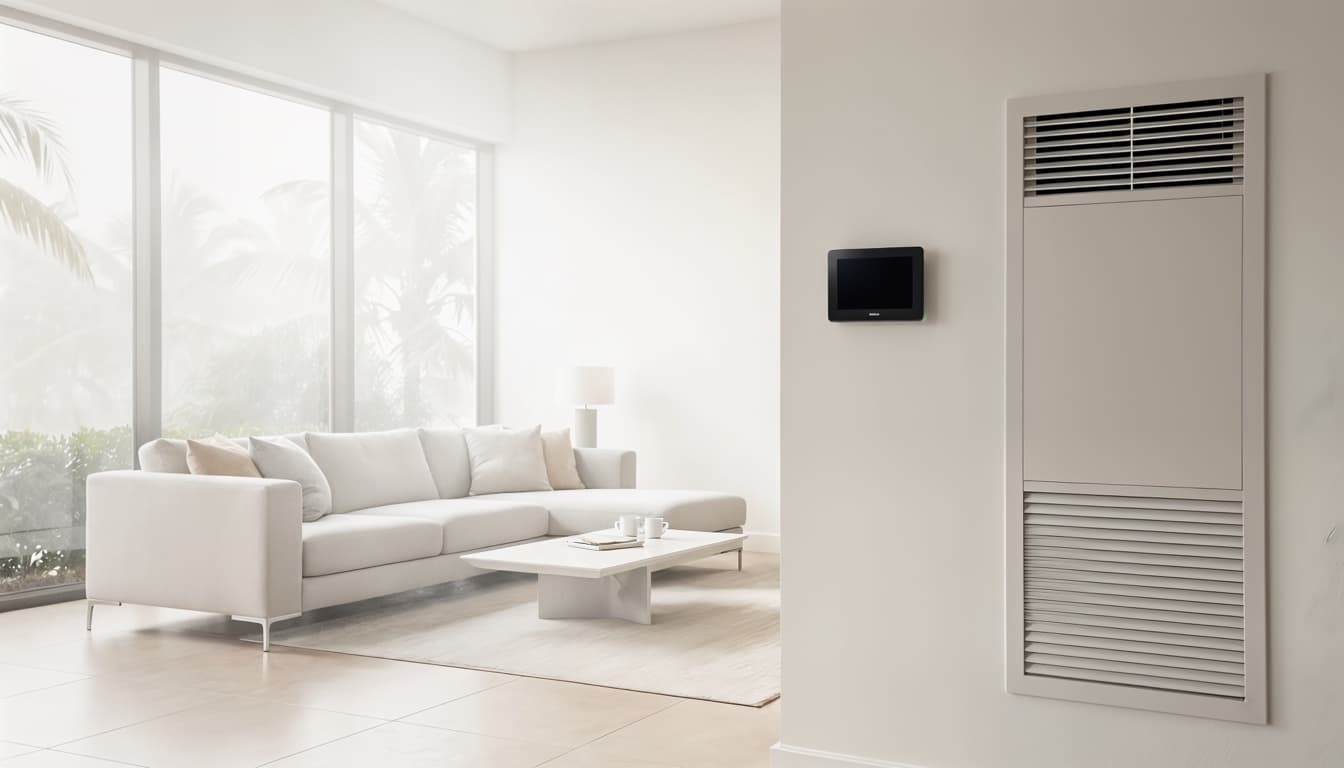
A vacant unit in Florida still needs a plan. Without occupants opening blinds, noticing a drip, changing a filter, or reporting a warm room, a small HVAC or plumbing problem can continue unnoticed. High outdoor humidity, long cooling seasons, and seasonal vacancies make routine checks especially important for apartments, condos, rental homes, and common-area spaces along the Treasure Coast.
The goal is not to turn a vacant unit into a sealed box or to chase a single thermostat number. It is to maintain stable conditions, keep water moving where it should, and catch changes early. Every property has different lease terms, building systems, insurance requirements, and association rules, so use this as an operational checklist alongside your own policies and professional advice.
Set a vacancy standard before the keys change hands
Create a written turnover and vacancy standard that identifies who sets the thermostat, who checks it, how often the unit is visited, and what conditions trigger a service call. Include the property address, unit number, equipment location, filter size, thermostat setting, water shutoff information if applicable, and contact details for maintenance and vendors. A clear handoff prevents the familiar problem where everyone assumes someone else checked the unit.
Keep the air conditioning operating at the setting and humidity approach appropriate for the property. Turning the system completely off for an extended vacancy can allow indoor conditions to climb and can remove the normal dehumidification that occurs during cooling. On the other hand, driving the setting unnecessarily low does not solve every moisture problem and adds runtime. Use a documented setting that your property manager, owner, and HVAC provider agree is appropriate for the season and building.
If the unit has a dedicated humidistat, smart thermostat, condensate safety switch, or water sensor, confirm it is installed, powered, and communicating as intended. Technology can help, but it is not a substitute for a person physically checking the unit. An alert can indicate a concern; it cannot tell you the full cause or the extent of any water condition.
Inspect on a calendar, not only after a complaint
Schedule recurring vacant-unit inspections and record what the person saw. At each visit, check the thermostat display and compare the actual indoor feel and visible condition. Look for water at the air handler, around the condensate drain area, under sinks, near water heaters, and along ceilings or exterior walls. Check that supply and return vents are unobstructed and that doors and windows are closed and latched.
Also look for changes that point to a developing issue: a new musty odor, persistent condensation on surfaces, an air handler that is not running as expected, a full drain pan, a tripped float switch, or staining around accessible equipment. Do not diagnose mold or hidden damage from appearance alone. Document what you observe, protect the area from further exposure where it is safe to do so, and involve the appropriate qualified professional.
Photographs taken during each vacancy inspection can establish a simple condition record. Use consistent viewpoints for the air handler closet, thermostat, kitchen, baths, and any known plumbing risk areas. A dated record helps the next person notice what changed. It also prevents the inspection from becoming a vague “looks fine” note.
Keep the HVAC system ready to dehumidify
Air conditioning removes moisture as part of normal cooling. A clogged condensate drain, dirty filter, blocked airflow, weak blower, control issue, or equipment that is not cycling correctly can interfere with that process. Make filter changes and maintenance part of the vacancy schedule instead of waiting for a tenant to report poor comfort.
Ask your HVAC provider to inspect the drain pan, drain line, safety switch, accessible coils, blower condition, and operating performance during planned maintenance. Florida humidity makes drainage a property-protection issue, not just a comfort issue. Learn more in our AC Drain Line Problems in Florida guide.
Do not leave interior doors closed in a way that blocks required return-air paths, and do not cover vents with boxes during renovation or staging. If a unit is being painted, remodeled, or cleaned, coordinate with the contractor so dust and debris do not get pulled into the HVAC system. A filter is a maintenance item, not a construction barrier.
Prepare for storms and long absences
Before a forecasted storm or a longer vacancy, verify contact information, access instructions, and the inspection plan after power is restored. Know which units are unoccupied, which have sensitive finishes or recent repairs, and which have a history of drainage or moisture issues. After an outage, a visit should include a visual check for water intrusion and normal equipment operation. Avoid resetting breakers repeatedly or opening electrical equipment if something is not right.
For condominium or multifamily properties, communicate the division of responsibility clearly. The unit owner, association, manager, HVAC contractor, plumber, and restoration professional may each have a different role. A documented escalation process keeps staff from attempting work outside their training or authority.
Make service part of the turnover plan
Vacancy is a useful time to perform preventive work because access is easier and disruption is lower. A/C Advantage can help property managers build maintenance around the systems they are responsible for, whether that means individual split systems, common-area equipment, or commercial spaces. Review Commercial HVAC and Commercial HVAC Maintenance Contracts for planning options.
The practical next step is to put every vacant unit on a written inspection calendar, document each visit, and schedule HVAC service when conditions or equipment behavior change. Contact A/C Advantage to discuss a maintenance approach that helps protect vacant Florida properties from avoidable humidity and water surprises.
About the author
Scott Camire, Owner of A/C Advantage Inc.
Scott Camire is the founder of A/C Advantage Inc. in Port St. Lucie, Florida. He began his career in HVAC and commercial refrigeration in 1978 and founded A/C Advantage in 2006, building the company on what he calls “old fashioned service with modern technology.” A/C Advantage is a Florida Certified Mechanical Contractor (License #CMC1249807) with EPA-certified technicians, serving homes and businesses across the Treasure Coast and the Palm Beaches, including Port St. Lucie, Stuart, Palm City, Jensen Beach, Fort Pierce, Vero Beach, Sebastian, and Tradition.
Need help with your system?
Call A/C Advantage at (772) 336-7366. A live person answers 24 hours a day, 365 days a year. Or schedule service online.