
Residential AC Repair • 5 minutes
Leaky Ductwork in Florida Attics: Signs You're Paying to Cool Your Attic
By Scott Camire, Owner | A/C Advantage Inc. •
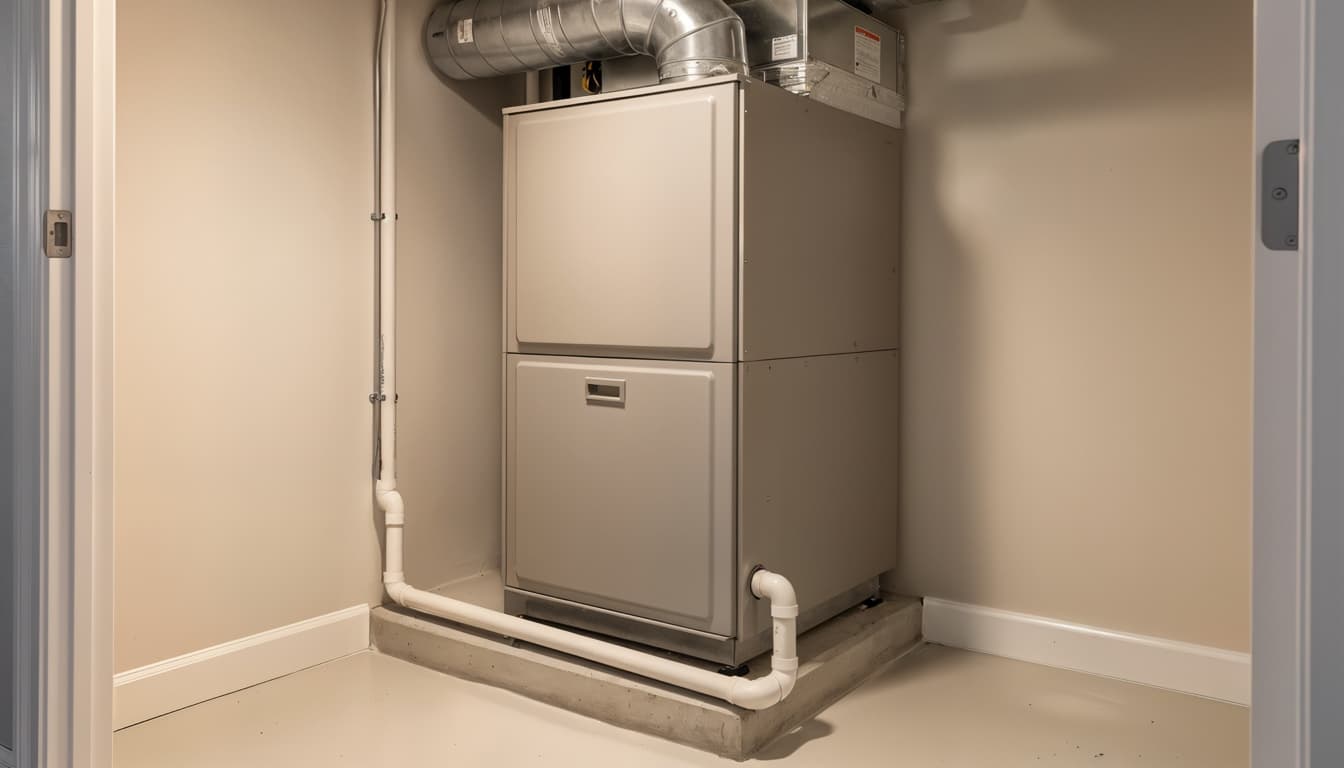
Most homeowners never see their ductwork. On the Treasure Coast, it's usually up in the attic, where summer temperatures can climb well above 120 degrees. That's exactly why duct problems are so easy to miss, and so expensive when they go unnoticed.
Your air conditioner can be working perfectly and your home can still be uncomfortable if the cooled air never makes it to the rooms. Here's how to tell if your ducts are part of the problem.
Why Ductwork Matters So Much in Florida
Ducts carry cooled, dehumidified air from your air handler to every room. When they leak, two things happen:
- • Cooled air escapes into the attic. You're paying to cool a space you don't live in.
- • Hot, humid attic air gets pulled in. Leaks on the return side draw in attic air, dust, and even insulation fibers, making your system work harder and raising indoor humidity.
According to ENERGY STAR, in a typical house about 20 to 30 percent of the air moving through the duct system is lost to leaks, holes, and poorly connected ducts. In an attic that feels like an oven, that loss adds up fast.
Warning Signs of Leaky or Failing Ducts
Uneven temperatures
One or two rooms are always warmer than the rest of the house, even with vents open. A disconnected or crushed duct is a common cause.
High energy bills without an obvious reason
If your bills keep rising and your AC has been checked out, the ducts are a good next place to look.
Humidity you can't get rid of
If your house feels sticky even when the thermostat says it's cool, leaky return ducts may be pulling in humid attic air.
Dust that comes right back
Excess dust, especially around supply vents, can be a sign that return leaks are pulling in attic dust and insulation.
Weak airflow at some vents
Compare the airflow at different vents. A vent with a noticeably weak stream may be connected to a damaged or disconnected run.
Sweating ducts or ceiling stains
In Florida, cold ducts in a hot, humid attic can sweat if insulation is damaged or missing. That moisture can drip onto drywall and cause stains, mold, or ceiling damage.
Musty odors
Moisture from sweating or leaking ducts can create a musty smell that seems to come from the vents.
What Causes Duct Problems?
- • Age. Tapes and sealants break down over time, especially in extreme attic heat.
- • Poor original installation. Tight bends, crushed flex duct, and poorly sealed connections are common.
- • Other trades working in the attic. Electricians, cable installers, and roofers can step on or disconnect ducts.
- • Pests. Rodents can tear into flex duct and insulation.
- • Storm damage. Roof leaks can soak and collapse duct insulation.
What a Duct Evaluation Looks Like
A professional duct evaluation typically includes:
- • A visual inspection of accessible ductwork in the attic
- • Checking connections at the air handler, plenum, and each supply and return
- • Looking for crushed, kinked, disconnected, or water-damaged sections
- • Measuring airflow and temperature at registers
- • In some cases, duct leakage testing to measure how much air is being lost
Repair or Replace?
Not every duct problem calls for new ductwork.
- • Repairs and sealing make sense when the system is in decent shape overall with a few leaks, disconnects, or damaged sections.
- • Replacement may make sense when ducts are badly deteriorated, undersized for the system, poorly designed, or when you're installing a new AC and the existing ductwork won't support it.
If you're planning an AC replacement, have the ductwork evaluated at the same time. A new high-efficiency system connected to leaky ducts won't deliver the comfort or savings you're paying for.
What You Can Safely Check Yourself
- • Walk the house and compare airflow at each vent.
- • Check for stains on ceilings near vents.
- • Make sure furniture and rugs aren't blocking supply or return vents.
- • Keep an eye on your monthly energy bill compared with the same month last year.
Attic work in Florida can be dangerous due to heat, fragile ceilings, and exposed wiring. Leave the attic inspection to a professional.
Frequently Asked Questions
How do I know if my air ducts are leaking?
Common signs include rooms that won't cool, rising energy bills, high indoor humidity, excess dust, weak airflow at certain vents, and ceiling stains near vents. A professional inspection or duct leakage test can confirm it.
How much air do leaky ducts waste?
ENERGY STAR estimates that in a typical house, about 20 to 30 percent of the air moving through the duct system is lost to leaks, holes, and poorly connected ducts.
Why are my AC ducts sweating in the attic?
Ducts sweat when cold duct surfaces meet hot, humid attic air. This usually happens where insulation is damaged, compressed, or missing, or where a leak lets cold air escape at a connection.
Should I replace my ductwork when I replace my AC?
Not always, but you should have it evaluated. If the ducts are leaky, damaged, or undersized, correcting them at the same time helps the new system perform the way it should.
About the author
Scott Camire, Owner of A/C Advantage Inc.
Scott Camire is the founder of A/C Advantage Inc. in Port St. Lucie, Florida. He began his career in HVAC and commercial refrigeration in 1978 and founded A/C Advantage in 2006, building the company on what he calls “old fashioned service with modern technology.” A/C Advantage is a Florida Certified Mechanical Contractor (License #CMC1249807) with EPA-certified technicians, serving homes and businesses across the Treasure Coast and the Palm Beaches, including Port St. Lucie, Stuart, Palm City, Jensen Beach, Fort Pierce, Vero Beach, Sebastian, and Tradition.
Need help with your system?
Call A/C Advantage at (772) 336-7366. A live person answers 24 hours a day, 365 days a year. Or schedule service online.