
Residential AC Repair • 7 minutes
AC Trouble on a Holiday: When a No-Cool Problem Cannot Wait
By Scott Camire, Owner | A/C Advantage Inc. •
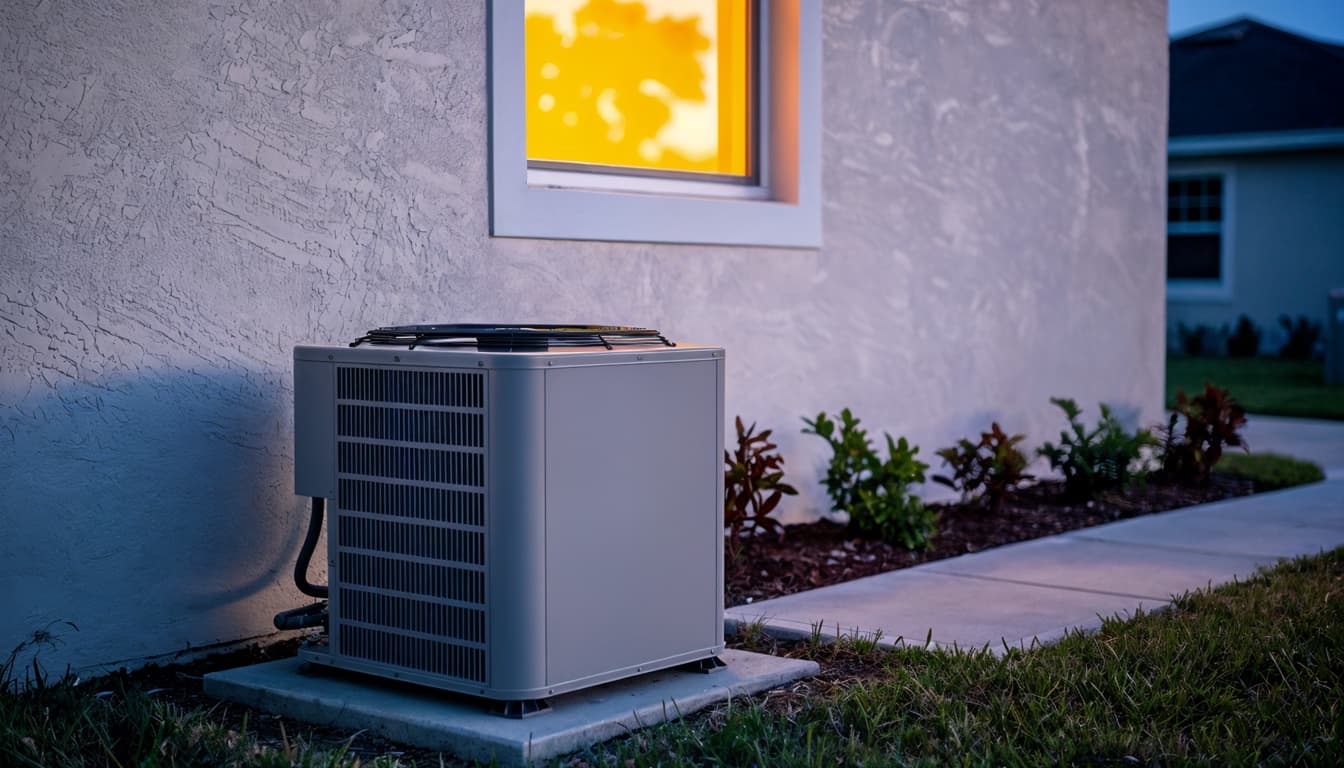
A no-cool problem on a holiday is different from an ordinary Tuesday breakdown. The house may be full, the kitchen may be working overtime, and people may be depending on you for a comfortable place to sleep. The useful response is not to start taking equipment apart. It is to make a calm operating plan: protect the house, protect the people in it, document what happened, and communicate clearly when you seek service.
Do a Short Pre-Holiday Readiness Check
A day or two before guests arrive, take five minutes to look around the spaces you already use. Make sure the thermostat is accessible, the return grille is not blocked by furniture or decorations, and the route to the electrical panel is clear. Put a few basics where you can find them: the system’s service history, your property address, the model information from your records if you have it, and contact numbers for the people responsible for the property.
Also decide ahead of time where people could go if the home becomes uncomfortable. That might be another family member’s home, a nearby hotel, or a cooled public place during open hours. Consider children, older relatives, pets, and anyone whose health makes heat harder to tolerate. A backup location is far easier to arrange before a holiday weekend is underway.
Gather a Useful Service-Call Record
When cooling stops, write down the time you first noticed it and what was happening in the house. Was the home empty all day, or had cooking, extra guests, and frequent door openings added heat? Was there a recent power interruption, storm, or work at the property? Those details give a technician context without requiring you to diagnose the system.
A good call record includes the street address, best callback number, current indoor temperature, thermostat setting, and whether the trouble arrived suddenly or built over several hours. Note what you can observe from a normal standing position: whether air is moving from the registers, whether the outdoor equipment appears to be running, and whether there is visible water near the indoor equipment. If an unusual sound or odor is present, describe it in plain language and say when it occurs.
Take a photo only if it can be done without reaching around equipment, removing a cover, or standing near water and electrical components. A picture of a ceiling stain or a puddle from a safe distance may be useful. Do not open panels, test wires, force a switch, reset a tripped breaker again and again, or attempt refrigerant work. Those are technician tasks, not holiday troubleshooting.
For the broader question of when a condition needs prompt attention, see our brief guide, When Is an AC Problem an Emergency?. On a crowded holiday, the same safety concerns apply, but the occupancy plan matters more too.
Keep the House Manageable While You Wait
Start with the rooms people are using. Close blinds or curtains on sunny sides of the home and keep exterior doors from being opened unnecessarily. Move the gathering away from the warmest rooms if another area is more comfortable. Portable and ceiling fans can improve how a person feels, but they do not lower the room temperature; place them for people rather than expecting them to cool the house.
Reduce indoor heat where it is practical. Shift from oven cooking to cooler meal options, delay laundry and dishwasher cycles, and avoid leaving exterior doors open while guests come and go. Keep drinking water available.
A partially cooling system does not need constant thermostat changes. Pick a reasonable setting and leave it there while you arrange next steps. Lowering the setting far below the normal target will not make the house cool faster. It can make it harder to understand what the system is doing and adds needless run time if the equipment is already struggling.
Protect the Space Without Trying to Repair It
If you see water, make the area safe first. Move belongings, rugs, and furniture away from the path of the water if that can be done without contact with electrical equipment. Use towels or a shallow container to limit spread only when it is safe to do so. Keep children and pets out of the area. Photograph the affected ceiling, floor, or wall from a safe distance for your own records.
Do not poke a ceiling bubble, remove an air-handler panel, pour chemicals into a drain line, or try to thaw or chip ice from equipment. Do not handle wiring, capacitors, or the disconnect. If you notice an electrical odor, unusual heat at equipment, sparking, smoke, or water near electrical components, keep clear and follow the direction of the qualified professional or emergency services when there is immediate danger.
For a rental, tell the owner or property manager promptly and provide the same factual record you would give a service company. For a business, assign one person to communicate the situation so several employees are not issuing conflicting instructions or taking unsafe actions.
Communicate Clearly With the People Inside
Guests and tenants do better with a direct update than with vague reassurance. Explain that the cooling is not working as expected, that you are arranging the appropriate next step, and what the immediate plan is: use the cooler part of the home, keep doors closed, shift the meal, or relocate if conditions require it.
For staff, document who has been informed and which rooms are affected. If the space is a workplace, avoid assigning anyone to work near water or equipment. Move essential activity to a comfortable area when possible and make arrangements for visitors before they arrive. A simple, honest message protects trust better than promising a timeline you do not control.
After the Holiday, Close the Loop
When the immediate situation has passed, keep the notes, photos, invoices, and recommendations together. Record the date, the conditions in the home, what was observed, and what work was completed. If the problem comes back, that history helps a technician distinguish a recurring pattern from a new issue.
It is also a good time to address the items that make the next holiday easier: replace a filter if it is due, keep vegetation and stored items away from the outdoor unit, and schedule routine service before the heaviest cooling period. Our Florida AC maintenance guide explains the value of checking drains, airflow, coils, and electrical components before they become a disruption.
About the author
Scott Camire, Owner of A/C Advantage Inc.
Scott Camire is the founder of A/C Advantage Inc. in Port St. Lucie, Florida. He began his career in HVAC and commercial refrigeration in 1978 and founded A/C Advantage in 2006, building the company on what he calls “old fashioned service with modern technology.” A/C Advantage is a Florida Certified Mechanical Contractor (License #CMC1249807) with EPA-certified technicians, serving homes and businesses across the Treasure Coast and the Palm Beaches, including Port St. Lucie, Stuart, Palm City, Jensen Beach, Fort Pierce, Vero Beach, Sebastian, and Tradition.
Need help with your system?
Call A/C Advantage at (772) 336-7366. A live person answers 24 hours a day, 365 days a year. Or schedule service online.