
Commercial Refrigeration • 6 minutes
Walk-In Cooler Door Gaskets: The Small Repair That Can Protect Inventory
By Scott Camire, Owner | A/C Advantage Inc. •
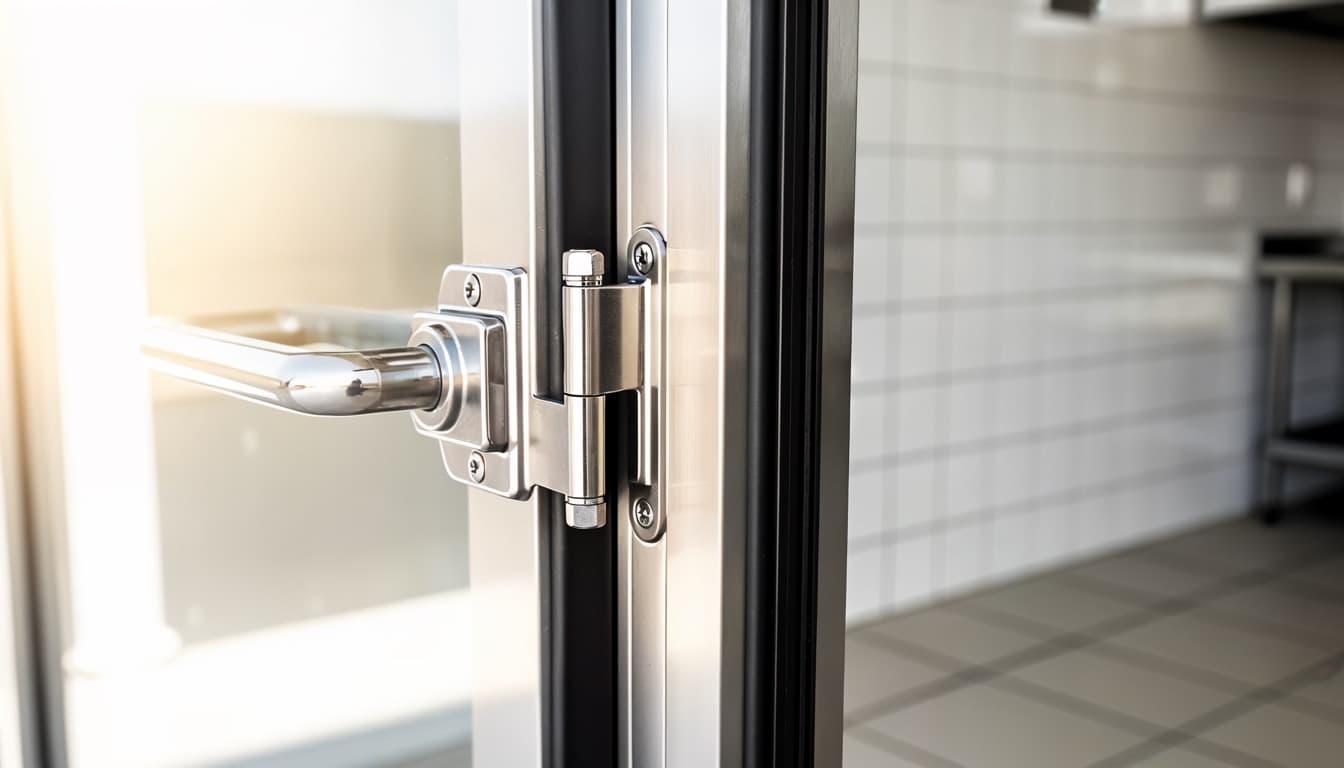
A walk-in cooler door gasket may be one of the smallest parts of a commercial refrigeration system, but it affects a very large door opening. The flexible seal around the door helps keep conditioned air in and warm, humid building air out. When it is torn, flattened, loose, dirty, or unable to meet the frame evenly, the cooler can work harder than it should and may develop temperature, frost, or moisture problems.
For restaurants, markets, caterers, florists, and other Florida businesses, the best approach is to notice gasket wear before the cooler is struggling. A daily door check takes little time and gives staff a simple way to report a condition that deserves service.
What a gasket is supposed to do
When the door closes, the gasket should make an even seal against the frame. Many commercial cooler doors use magnetic gaskets that help draw the door into position, but the hinges, latch, closer, frame, and door alignment also matter. A new gasket cannot solve every door problem if the door is sagging or the frame is damaged.
A good seal helps the system maintain stable conditions with less unwanted air exchange. It does not guarantee a particular temperature or eliminate every refrigeration issue. Compressor condition, evaporator airflow, defrost operation, loading patterns, controls, and condenser cleanliness remain important. But a leaking door asks all of those systems to work against a steady stream of humid air.
In Florida, that moisture can make the effects more obvious. You may see condensation around the doorway, frost in the cooler, a door that seems to pop open, or a unit that runs longer. Those symptoms should lead to a broader inspection rather than an assumption that the gasket is the only cause.
Simple visual checks for operators
Include the gasket in opening or closing procedures. From the outside of the door, look for splits, tears, hardened sections, loose corners, missing pieces, discoloration, or areas that are pulling away from the door. Look for food debris, cartons, tape, or shelving that prevents the door from closing fully. Make sure employees know that a door wedged open for convenience should be addressed promptly.
With the door closed, look for obvious gaps or light visible around the perimeter from the appropriate side, if facility conditions make that safe and practical. Do not use a sharp object to probe the gasket, and do not pull the door against a person inside the cooler. A simple close-and-observe check is safer than aggressive testing.
Also observe the door’s behavior. Does it need to be lifted to latch? Does it swing back open? Does the latch fail to engage? Is the threshold damaged, wet, or obstructed? These are useful notes for a refrigeration technician because the gasket may be part of an alignment or hardware issue.
Cleaning helps, but not every gasket can be restored
Follow the manufacturer guidance and your facility’s normal sanitation procedure when cleaning the gasket and door frame. Gentle routine cleaning can remove residue that interferes with a seal. Avoid harsh tools, solvents, or unapproved products that can damage the gasket material. Do not stretch it, cut it, glue it casually, or use tape as a permanent repair.
A torn or deformed gasket often needs replacement. Selecting the correct profile and installing it so the corners, magnet, and seal line work properly is important. The door may also need hinge, closer, latch, or alignment work. A qualified technician can assess the complete door assembly and verify that it closes and seals correctly after repair.
If staff must make a temporary operational adjustment while awaiting service, keep it limited to approved facility procedures. Do not defeat a door safety feature, alter electrical components, or change cooler controls to compensate for a seal problem without professional guidance.
Inventory and food-safety decisions are separate
A poor door seal can contribute to temperature instability, but it does not on its own tell you whether specific food or other stored product is acceptable. Continue to monitor and log temperatures using your established process. Follow the facility’s food-safety plan and applicable health-authority direction for any product decision. A refrigeration contractor can identify equipment conditions; they should not be asked to make food-safety determinations for the operator.
If the cooler has been warm, has an alarm, or cannot hold its intended operating range, move through your facility’s escalation process. Limit unnecessary door openings and avoid adding warm product until the equipment condition is understood. Keep notes on the time, readings, door condition, and actions taken.
When a service call makes sense
Call a qualified refrigeration professional when a gasket is damaged, the door will not close consistently, you see persistent frost or condensation, or the cooler runs longer and has temperature concerns. Call promptly if there is water creating a safety hazard, a power issue, an alarm, or significant loss of temperature control.
Provide photos of the gasket and door edge if taken safely, along with the equipment make and model, the current temperature, and whether the door alignment changed after an impact or heavy use. This information helps determine whether the visit needs a gasket, hardware adjustment, door repair, or a wider refrigeration diagnosis.
A/C Advantage assists commercial refrigeration customers across the Treasure Coast and Palm Beaches with practical equipment inspections, repairs, and maintenance. If your walk-in door no longer seals reliably, schedule service before that small opening becomes a larger operating problem.
Related reading: Walk-in Cooler Temperature Problems, Commercial Refrigeration Uptime Guide, and Reach-In Refrigerator Problems.
About the author
Scott Camire, Owner of A/C Advantage Inc.
Scott Camire is the founder of A/C Advantage Inc. in Port St. Lucie, Florida. He began his career in HVAC and commercial refrigeration in 1978 and founded A/C Advantage in 2006, building the company on what he calls “old fashioned service with modern technology.” A/C Advantage is a Florida Certified Mechanical Contractor (License #CMC1249807) with EPA-certified technicians, serving homes and businesses across the Treasure Coast and the Palm Beaches, including Port St. Lucie, Stuart, Palm City, Jensen Beach, Fort Pierce, Vero Beach, Sebastian, and Tradition.
Need help with your system?
Call A/C Advantage at (772) 336-7366. A live person answers 24 hours a day, 365 days a year. Or schedule service online.