Residential Replacement • 7 minutes
Replacing an AC in 2026: What Florida Homeowners Should Ask About New Refrigerants
By Scott Camire, Owner | A/C Advantage Inc. •
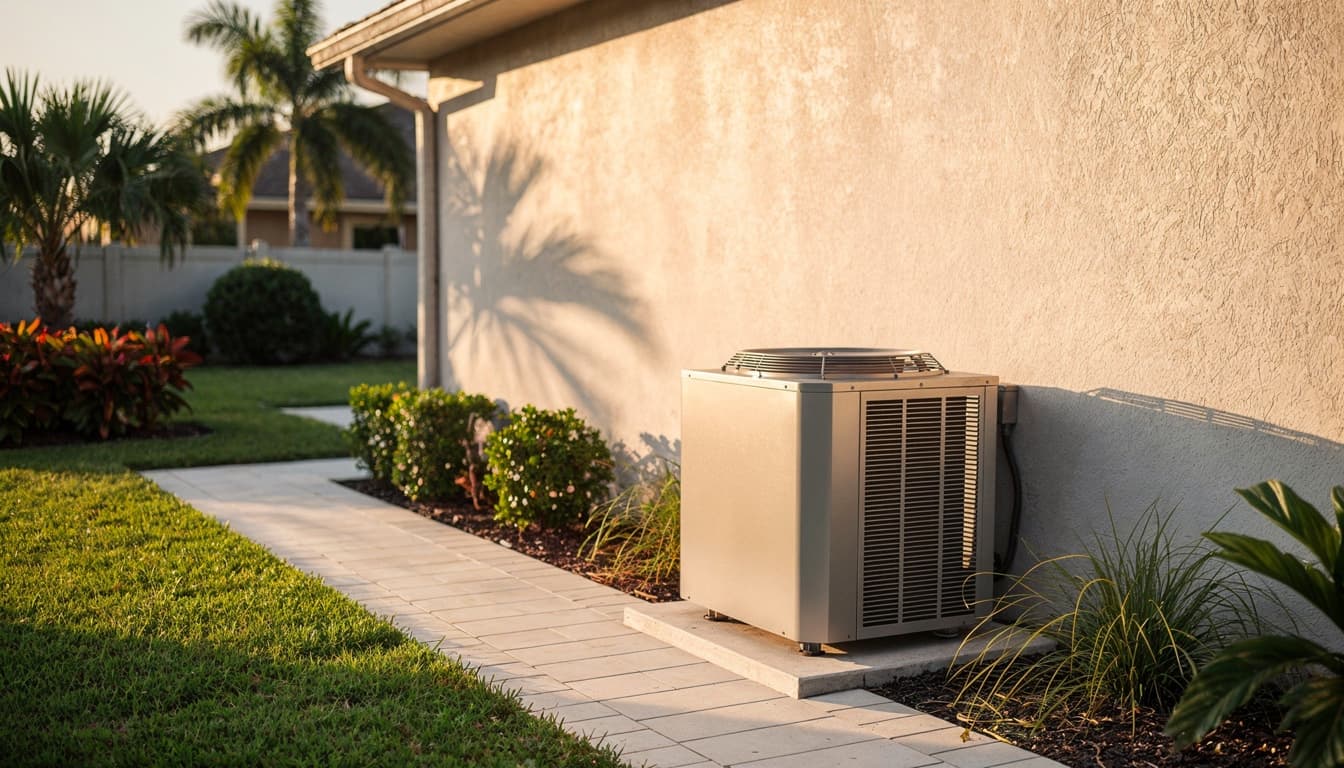
If you are replacing a home air conditioner in 2026, refrigerant will probably come up before the conversation is over. It should. The equipment market is moving toward refrigerants with lower global-warming impact, and the system you install needs to be appropriate for the equipment, the home, and the rules that apply to that product category.
The important point is simple: do not let a label make the decision for you. R-410A is not suddenly illegal to own, and an existing system does not have to be replaced merely because new equipment is changing. A repairable system may still be worth repairing. But when replacement makes sense, it is smart to ask how the new refrigerant platform affects your installation, maintenance, and future options.
Why New Equipment Is Changing
Federal EPA rules under the American Innovation and Manufacturing Act are reducing the use of higher-global-warming-potential HFC refrigerants in specific sectors over time. For many newly manufactured residential and light-commercial comfort-cooling products, the transition is already shaping what manufacturers offer. The exact timing and requirements can depend on the equipment type, manufacturing date, installation date, and applicable rule. That is why a contractor should discuss the actual matched system being proposed rather than make a blanket statement about every AC.
Many newer systems use refrigerants classified as A2L, which means they are mildly flammable under defined test conditions. That does not mean a properly installed system is unsafe. It does mean the equipment, components, installation practices, and technician training need to match that refrigerant. A new refrigerant is not a drop-in excuse to put an old outdoor unit on an old indoor coil, or to improvise a repair.
For a homeowner, the practical change is mostly about choosing a complete, listed system installed correctly by qualified people.
Start With the Right Replacement Question
The first question is not, “Which refrigerant is best?” It is, “Does replacement make sense now?” Age, repair history, operating condition, humidity control, energy use, and the cost of the present repair all matter. Review repair versus replacement in Florida before deciding that a refrigerant change alone requires action.
If replacement is warranted, ask the contractor for the model numbers of the indoor and outdoor equipment. The air handler or furnace, coil, condenser, metering device, and controls have to be compatible as a system. The efficiency rating and warranty may depend on that match. A proposal that simply names a tonnage and a refrigerant is not enough detail for a major purchase.
Questions I Recommend Asking
Bring these questions to the estimate appointment:
1. What refrigerant does this exact matched system use? Ask for a clear answer and the equipment model numbers, not just a general promise that it is “new refrigerant.” 2. Is this equipment designed and listed for that refrigerant? The answer should be yes. Refrigerant conversions and substitutions are not a homeowner project. 3. What installation changes are required? A2L equipment can have manufacturer-specific requirements for components, charge limits, ventilation considerations, sensors, or controls. The contractor should follow the installation instructions for the actual unit and local code requirements. 4. How will you size the system? Florida comfort is as much about moisture as temperature. A load calculation, duct review, and discussion of hot rooms are more valuable than replacing like-for-like without looking at the house. 5. Will you inspect the ducts and drain system? Leaky returns, undersized ducts, poor return-air paths, and a neglected condensate drain can make a new system feel disappointing. 6. What are the warranty terms and maintenance needs? Get the manufacturer warranty, labor warranty if offered, registration requirements, and recommended maintenance schedule in writing. 7. What happens to the old equipment? Proper recovery and handling of refrigerant is licensed work. You should not be asked to disconnect lines or dispose of equipment yourself.
Do Not Oversize to “Be Safe”
A system that is too large can cool the thermostat location quickly and stop before it has run long enough to remove enough moisture. The result can be a house that feels clammy, rooms that are uneven, and more cycling than you expected. Florida homes need equipment selected for the load, duct capacity, insulation, windows, occupancy, and humidity goals.
A new refrigerant does not correct bad airflow. Before signing, tell the estimator about rooms that stay hot, musty areas, high indoor humidity, noisy returns, and any water around the indoor equipment. Those details help identify whether the answer is equipment, ductwork, drainage, controls, or a combination.
What About Your Existing R-410A System?
Keep perspective. Existing R-410A systems can continue operating. If yours has a routine repair and is otherwise in good condition, repair may be reasonable. If it has a major sealed-system problem, repeated breakdowns, poor humidity performance, or is nearing the end of its service life, replacement deserves a serious comparison.
No one can honestly promise that future refrigerant availability or cost will never change. What we can do is evaluate the system in front of us, explain the current repair, and lay out a replacement option without scare tactics. EPA-certified technicians should handle refrigerant diagnosis, recovery, and charging; electrical and sealed-system work are not DIY jobs.
For more on the planning side, visit our Residential AC Replacement Guide. A/C Advantage can inspect your current system, review matched replacement options, and explain what the refrigerant transition means for your specific home before you commit.
About the author
Scott Camire, Owner of A/C Advantage Inc.
Scott Camire is the founder of A/C Advantage Inc. in Port St. Lucie, Florida. He began his career in HVAC and commercial refrigeration in 1978 and founded A/C Advantage in 2006, building the company on what he calls “old fashioned service with modern technology.” A/C Advantage is a Florida Certified Mechanical Contractor (License #CMC1249807) with EPA-certified technicians, serving homes and businesses across the Treasure Coast and the Palm Beaches, including Port St. Lucie, Stuart, Palm City, Jensen Beach, Fort Pierce, Vero Beach, Sebastian, and Tradition.
Need help with your system?
Call A/C Advantage at (772) 336-7366. A live person answers 24 hours a day, 365 days a year. Or schedule service online.