Commercial HVAC • 7 minutes
Commercial HVAC Maintenance by Season: A Treasure Coast Planning Calendar
By Scott Camire, Owner | A/C Advantage Inc. •
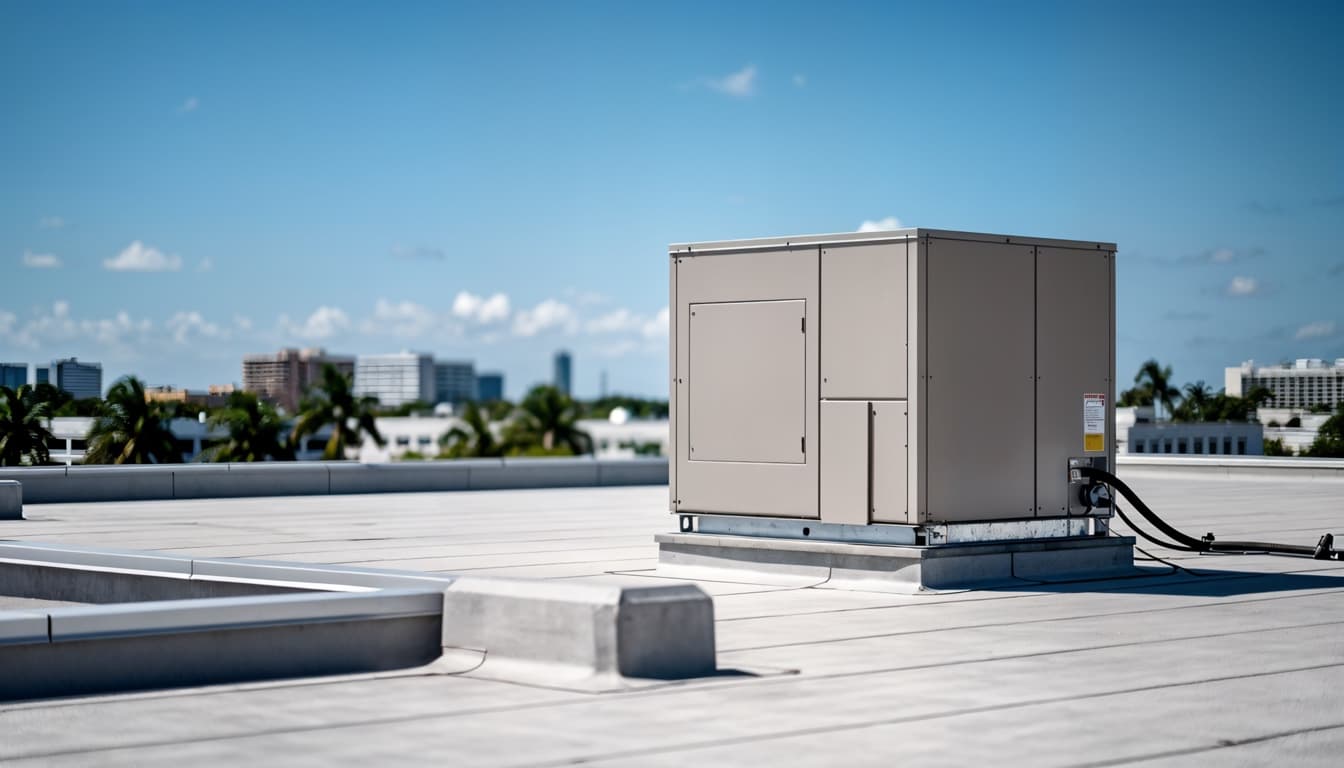
Commercial HVAC maintenance works best when it is planned around the way a building operates, not only around the day a unit fails. On the Treasure Coast, cooling equipment deals with long warm seasons, humidity, salt air in many locations, storm preparation, and the daily demands of tenants, staff, customers, and equipment rooms. A seasonal calendar gives property managers and business owners a way to schedule work before access, weather, or a breakdown makes everything harder.
This is a planning framework, not a replacement for manufacturer requirements, lease obligations, building codes, or the maintenance needs of a specific unit. A rooftop package unit, split system, make-up-air system, restaurant space, medical office, and retail store should not all receive the same checklist. Use the calendar to create a service rhythm with your HVAC provider and document the work that applies to your equipment.
Winter: review, repair, and budget
South Florida’s cooler months can be a practical time to address issues that were deferred during peak cooling demand. Start by reviewing service records from the prior year. Which units had repeated comfort complaints? Were there drain backups, control faults, fan or compressor concerns, indoor-air complaints, or recurring tenant hot/cold calls? A pattern in the history is more valuable than a list of isolated invoices.
Schedule a planned inspection of accessible equipment, filters, drains, electrical components, belts where applicable, condensate safety devices, and controls. Your technician can identify wear that may not yet be causing a complaint. This is also a good time to verify equipment labels, unit locations, access arrangements, and after-hours contacts so the response is not delayed during an emergency.
For ownership and facilities teams, winter is budgeting season. Ask for priorities in plain language: work needed now, work that should be planned, and items to monitor. Replacement planning is easier when it is based on equipment condition, repair history, lead time, and operational risk rather than a rushed decision during a hot week. Our Commercial HVAC Replacement Planning guide can help structure that discussion.
Spring: prepare before high cooling load
Spring is the time to make sure systems are ready for longer cooling cycles. Confirm that filters are on schedule and that return and supply paths have not been blocked by tenant changes, storage, furniture, or renovation work. Have drains and pans inspected before moisture load climbs. A small drain concern can turn into a ceiling, flooring, or equipment-room issue when the system starts producing more condensate.
For rooftop and outdoor equipment, planned work may include coil condition, fan operation, cabinet condition, electrical inspection, controls, and refrigerant-system performance as appropriate. Leave service panels and electrical diagnostics to qualified professionals. Facility staff can support the visit by clearing access, reporting recent symptoms, and noting any changes in occupancy or hours of operation.
Spring is also a useful time to review thermostat schedules. A space with changed hours, a new tenant layout, or weekend events may need a control adjustment. Do not solve comfort complaints by continually lowering setpoints without investigating airflow, humidity, system capacity, or control performance. Document when and where complaints occur so the technician can see the pattern.
Summer: monitor operation and respond early
During the highest demand period, consistency matters. Keep filters, drain checks, and visual inspections on schedule. Ask managers and occupants to report warm zones, water, unusual noise, odors, short cycling, and thermostat concerns early. A unit may continue operating while performance is slipping; waiting until it stops entirely can create more disruption.
Build a simple escalation path. Staff should know who to call, what equipment information to provide, and when a problem is urgent. For example, water around equipment, a repeated breaker trip, burning odor, or a space that cannot maintain a workable condition should move quickly to professional service. Staff should not reset breakers repeatedly, open rooftop equipment, or adjust electrical components.
Summer is also the season to protect access. Keep electrical rooms, mechanical closets, and rooftop routes clear. In a multi-tenant building, access delays can turn a straightforward repair into a longer outage. Provide your service partner with current gate codes, roof access procedures, site contacts, and any work-hour restrictions.
Fall: inspect after the hard season and prepare for storms
Fall is a natural point to review the summer’s wear and service history. Compare recurring calls by unit and location. Did one tenant suite have repeated humidity concerns? Did a rooftop unit develop a drain or control pattern? Were there repeated refrigeration or comfort complaints during certain hours? Use those observations to plan corrective work while conditions are less urgent.
Storm readiness belongs in the calendar too. Verify roof access procedures, equipment records, emergency contacts, and post-outage inspection responsibilities before a storm is on the way. Do not rely on improvised generator or electrical connections during an outage. For a careful overview, see Generator and HVAC Safety After a Florida Storm.
After a significant weather event or power interruption, use a documented visual assessment from a safe distance and schedule professional inspection when there is water exposure, visible damage, abnormal startup, or electrical concern. Avoid turning damaged equipment on just to test it.
Keep the calendar useful
A calendar succeeds when it turns into a repeatable operating process. Assign a facility contact, keep service records in one place, update the equipment list after replacements, and review work orders quarterly. Include seasonal filters, tenant communication, access coordination, capital planning, and emergency contact updates—not only technician visits.
A/C Advantage can help Treasure Coast businesses establish a commercial maintenance rhythm around their actual equipment and operating needs. Explore Commercial HVAC and Commercial HVAC Maintenance Contracts to start the conversation.
The next action is to schedule the next planned review before the calendar gets crowded. Contact A/C Advantage with your equipment list, property type, and recurring concerns, and we will help you turn seasonal maintenance into a practical uptime plan.
About the author
Scott Camire, Owner of A/C Advantage Inc.
Scott Camire is the founder of A/C Advantage Inc. in Port St. Lucie, Florida. He began his career in HVAC and commercial refrigeration in 1978 and founded A/C Advantage in 2006, building the company on what he calls “old fashioned service with modern technology.” A/C Advantage is a Florida Certified Mechanical Contractor (License #CMC1249807) with EPA-certified technicians, serving homes and businesses across the Treasure Coast and the Palm Beaches, including Port St. Lucie, Stuart, Palm City, Jensen Beach, Fort Pierce, Vero Beach, Sebastian, and Tradition.
Need help with your system?
Call A/C Advantage at (772) 336-7366. A live person answers 24 hours a day, 365 days a year. Or schedule service online.