Commercial HVAC • 6 minutes
How Businesses Can Prepare Their HVAC Equipment for the Peak of Hurricane Season
By Scott Camire, Owner | A/C Advantage Inc. •
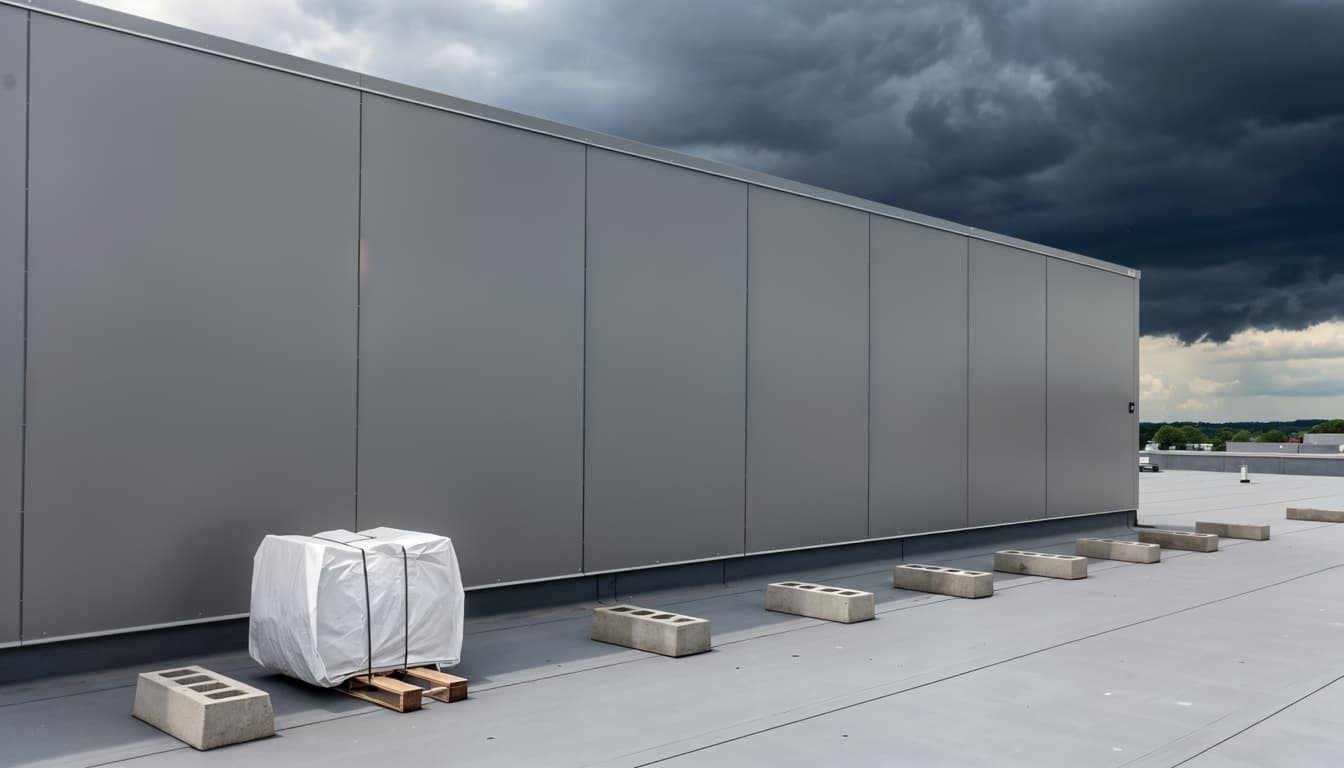
For a Florida business, hurricane-season preparation should include the HVAC equipment that keeps employees, customers, tenants, products, and technology spaces operating. Rooftop units, split systems, make-up air equipment, controls, drains, and electrical disconnects all sit at the intersection of wind, rain, debris, power interruptions, and heat. A thoughtful plan cannot prevent every storm-related failure, but it can reduce avoidable exposure and make the post-storm return safer and more organized.
The best time to prepare is before a storm is close enough to create rushed decisions. Facilities managers and owners should coordinate with their HVAC contractor, building manager, electrician, generator provider, insurer, and internal safety team as appropriate. Each party has a different role; no single checklist replaces property-specific requirements or emergency direction.
Begin with a current equipment record
Make sure the business has an accessible list of major HVAC equipment: location, manufacturer, model, serial number, approximate age, serving area, known issues, and service history. Include rooftop units, outdoor condensers, air handlers, exhaust or make-up air systems, thermostats, and any critical cooling equipment. Store the record digitally where authorized staff can reach it if the building is inaccessible.
Walk the property with safety in mind. Note loose panels, damaged doors, missing screws, deteriorated insulation, exposed wiring, standing water near equipment, blocked drain paths, and unsecured debris nearby. A loose access panel or a neglected roof curb can become more consequential in high wind. Do not climb on roofs or open equipment cabinets unless staff are trained, authorized, and conditions are safe.
Schedule service for existing concerns before they become an emergency. A technician can inspect equipment condition, mounting, accessible connections, drains, coils, belts where applicable, electrical components, and controls. Service should be based on the actual equipment and manufacturer requirements, not a generic assumption that every unit needs the same work.
Secure the site without improvising equipment modifications
Ground-level condensers should have clear space around them and should not be surrounded by loose furniture, signs, planters, trash, or construction materials. Rooftop equipment areas should be kept free of loose debris consistent with roof-access policy. Confirm that roof hatches, gates, and equipment access routes can be secured according to the building’s procedures.
Do not strap, wrap, or cover HVAC equipment in an unapproved way just before a storm. Plastic coverings can trap moisture, restrict drainage, or become debris. Altering supports, disconnects, roof penetrations, or electrical wiring without the correct professional can create damage or safety hazards. If there is a question about anchorage, curb condition, or a storm-specific shut-down procedure, consult a qualified contractor and the equipment documentation.
Businesses in leased spaces should also clarify responsibility. The tenant may notice an issue first, while the property owner or manager controls roof access and contractor authorization. Put contact names, after-hours numbers, and escalation steps in writing before they are needed.
Plan for power loss and restart
A generator is helpful only when its capacity, connection, fuel, operation, and priority loads are understood. Identify which HVAC or ventilation equipment is intended to be powered during an outage and whether running it is essential. Generator integration and electrical work belong to licensed, qualified professionals. Never use temporary cords, improvised connections, or back-feeding to energize commercial HVAC equipment.
Document the normal thermostat settings and any special schedules. If a storm plan calls for a deliberate shutdown, identify who is authorized to do it, when it occurs, and how it is recorded. Do not turn equipment off prematurely without considering humidity, occupied areas, IT rooms, food service, medical uses, or manufacturer guidance. The right choice differs by building and use.
After a power interruption, do not assume every unit should be restarted simultaneously. Check the building for water intrusion, damaged electrical service, debris, downed lines, roof damage, or unsafe conditions first. Follow local emergency directions and wait until the property is safe to access. If electrical equipment has been wet or damaged, have the appropriate professional assess it before use.
Protect operations and communication
Prepare a short message template for employees, tenants, and customers that explains building status without promising a reopening time before the property is inspected. Identify alternative work areas or remote options if practical. For businesses that depend on conditioned spaces, identify what operations can continue without full HVAC and what must be deferred.
Keep service records, warranty information, photos of normal equipment condition, and contractor contacts together. Take time-stamped photos of accessible equipment before a storm only when it can be done safely. These records can support the repair conversation and may be useful for the business’s own documentation process.
For a multi-tenant property, communicate which party reports comfort complaints, water intrusion, alarms, or equipment damage after the storm. One clear intake point can prevent duplicate calls and help prioritize life safety, electrical hazards, water damage, and critical areas.
Post-storm inspection is part of preparation
When conditions allow, inspect from a safe distance before operating. Look for displaced panels, visible line damage, debris, fallen branches, water around electrical equipment, or obvious roof damage. Do not touch damaged equipment, climb onto a roof, or reset breakers repeatedly. A unit that makes abnormal noise, trips a breaker, will not start, leaks water, or cannot maintain normal operation should be evaluated by a qualified HVAC professional.
A post-storm service visit can check for mechanical and electrical damage, drainage concerns, controls, airflow, and cooling performance. It is also an opportunity to update the equipment record with what was found and what should be improved before the next event.
A/C Advantage supports commercial HVAC customers across the Treasure Coast and Palm Beaches with repair, maintenance, and practical planning. Before the peak of hurricane season, arrange a qualified equipment assessment if your business has deferred maintenance, visible damage, recurring comfort complaints, or uncertainty about its shutdown and recovery process.
Related reading: Commercial Rooftop HVAC Guide for Florida Businesses, Rooftop Unit Maintenance Checklist, and Commercial HVAC Replacement Planning.
About the author
Scott Camire, Owner of A/C Advantage Inc.
Scott Camire is the founder of A/C Advantage Inc. in Port St. Lucie, Florida. He began his career in HVAC and commercial refrigeration in 1978 and founded A/C Advantage in 2006, building the company on what he calls “old fashioned service with modern technology.” A/C Advantage is a Florida Certified Mechanical Contractor (License #CMC1249807) with EPA-certified technicians, serving homes and businesses across the Treasure Coast and the Palm Beaches, including Port St. Lucie, Stuart, Palm City, Jensen Beach, Fort Pierce, Vero Beach, Sebastian, and Tradition.
Need help with your system?
Call A/C Advantage at (772) 336-7366. A live person answers 24 hours a day, 365 days a year. Or schedule service online.