Commercial Refrigeration • 6 minutes
Refrigerant Leak Warning Signs in Commercial Coolers and Freezers
By Scott Camire, Owner | A/C Advantage Inc. •
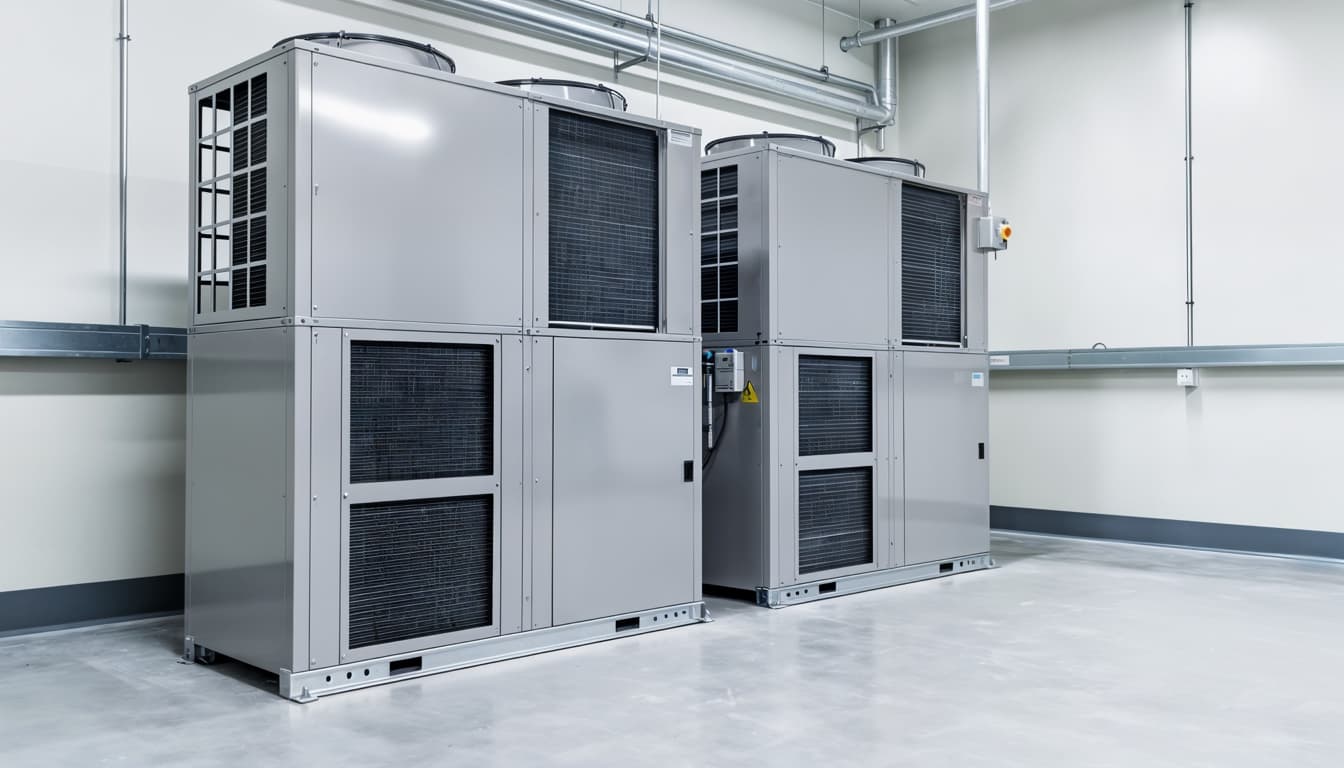
A refrigerant leak in a commercial cooler or freezer is not something an operator can confirm by looking at one symptom. Temperature trouble, frost, longer run time, and unusual performance can have several causes, including airflow restrictions, door problems, defrost faults, controls, fan issues, dirty coils, or refrigeration-system concerns. But when the pattern points to possible refrigerant loss, calling a qualified refrigeration professional early can protect product, reduce downtime, and prevent unnecessary damage to the equipment.
Refrigerant work is not a DIY repair. Do not add refrigerant from a can, use leak-sealing products, connect gauges, remove service caps, or attempt to repair tubing. Commercial refrigeration systems need trained diagnosis, appropriate equipment, and compliant refrigerant handling. A quick “top-off” without finding the source is not a reliable repair strategy.
Start with operating symptoms
The most useful first clue is a change from normal performance. A walk-in that used to recover quickly after deliveries may begin running much longer. A reach-in case may struggle to hold its usual operating condition. A freezer may accumulate frost in places that were previously clear, or an ice machine may show a change in production. These observations do not prove a leak, but they give your service provider a starting point.
Use your normal temperature log to capture the current reading, time of day, door activity, delivery periods, and whether the equipment recovered. A single high reading after a long delivery is different from a repeating trend across several shifts. Follow your food-safety plan and applicable requirements for monitoring, corrective action, and product decisions. Equipment service guidance does not replace local compliance rules or your operation’s food-safety procedures.
Also note whether the issue affects one unit or several. One warmer walk-in may point to equipment local to that box. Multiple units with changes after an outage or construction event may call for a broader review. Do not make that determination by opening panels; report the pattern and let the technician investigate.
Visible conditions worth reporting
From the outside of accessible equipment, look for new or excessive frost, ice where it is not normally present, water around the cabinet, damaged door gaskets, a door that will not close, or a condenser area blocked by debris. These conditions can make a system work harder and can resemble the symptoms of refrigerant trouble. Staff can correct basic operational issues such as removing stored boxes from a door path if it is safe to do so, but should not chip ice from refrigeration components, remove panels, or straighten damaged coils.
A hissing sound, oily-looking residue near accessible line connections, or a sharp change in performance should be included in the service call. Do not touch suspected residue or try to locate the source closely. Refrigerant systems can operate at hazardous pressures, and the technician may need specialized leak-detection and diagnostic methods to determine what is actually happening.
If you notice an unfamiliar odor, dizziness, irritation, or a possible chemical exposure in an enclosed area, move people to fresh air and follow your emergency procedures. Do not stay in a confined space trying to identify the smell. Contact emergency services when appropriate and arrange qualified professional assessment. This article cannot determine the cause of an odor or an exposure.
Why a leak needs a complete diagnosis
Refrigerant circulates in a sealed system. If the charge is low, the central question is why it became low. A professional may inspect connections, coils, valves, components, and the system’s operating condition; test for leaks using appropriate methods; and verify repairs before restoring the correct charge. The work must match the equipment and the refrigerant in the system.
Simply adding refrigerant can temporarily change the symptom while allowing the underlying leak to continue. It can also lead to additional operating problems and leaves the operator without a clear record of what was repaired. Ask your service provider to explain what they found, what was corrected, what operating checks were performed, and whether follow-up monitoring is recommended.
For older equipment, repair decisions may involve more than the immediate leak. Repair history, component condition, parts availability, refrigerant considerations, expected operating demand, and the cost of downtime all matter. A thoughtful discussion is better than waiting until the cooler fails during a busy service.
Protect product while help is on the way
If a cooler or freezer is not maintaining the operating condition required by your food-safety procedures, act on the product plan first. Limit unnecessary door openings, keep a clear temperature record, notify the responsible manager, and move product only according to your established process. Do not rely on a cabinet display alone to make compliance decisions. Your local health department and food-safety program determine the requirements that apply to your business.
Give the technician a concise report: equipment type and location, current temperature, when the trend started, log entries, door or loading conditions, power events, visible frost or water, unusual sounds, and any recent service. That information helps us arrive ready to diagnose rather than spend the first part of the visit reconstructing the timeline.
Preventive maintenance helps uncover dirty coils, door issues, drainage problems, defrost concerns, and component wear before they become a product-risk event. Review our Walk-In Cooler Temperature Problems article and Commercial Refrigeration service for related guidance.
When a temperature trend, long run time, new frost, or performance change raises concern, call before the unit stops altogether. Contact A/C Advantage to schedule qualified commercial refrigeration service and bring your temperature log with you.
About the author
Scott Camire, Owner of A/C Advantage Inc.
Scott Camire is the founder of A/C Advantage Inc. in Port St. Lucie, Florida. He began his career in HVAC and commercial refrigeration in 1978 and founded A/C Advantage in 2006, building the company on what he calls “old fashioned service with modern technology.” A/C Advantage is a Florida Certified Mechanical Contractor (License #CMC1249807) with EPA-certified technicians, serving homes and businesses across the Treasure Coast and the Palm Beaches, including Port St. Lucie, Stuart, Palm City, Jensen Beach, Fort Pierce, Vero Beach, Sebastian, and Tradition.
Need help with your system?
Call A/C Advantage at (772) 336-7366. A live person answers 24 hours a day, 365 days a year. Or schedule service online.